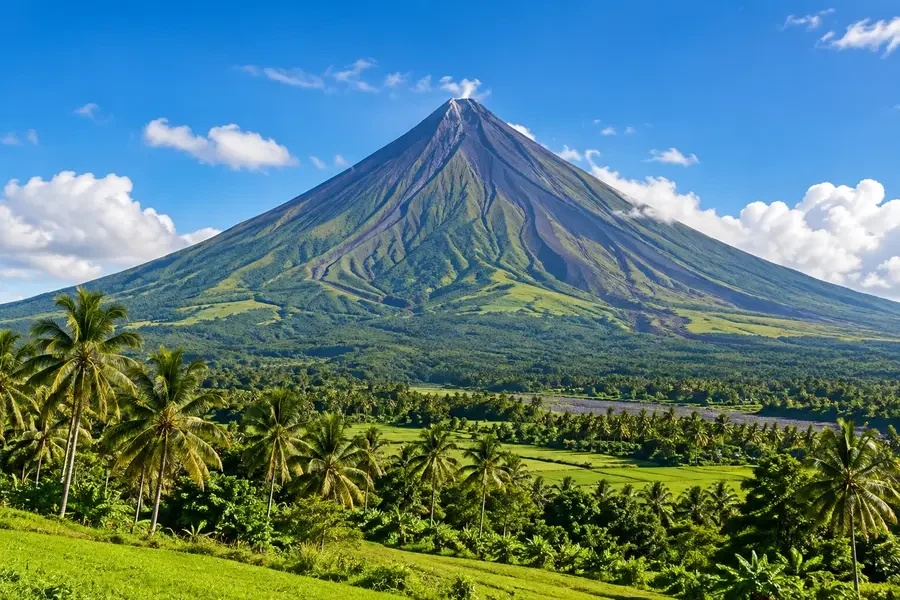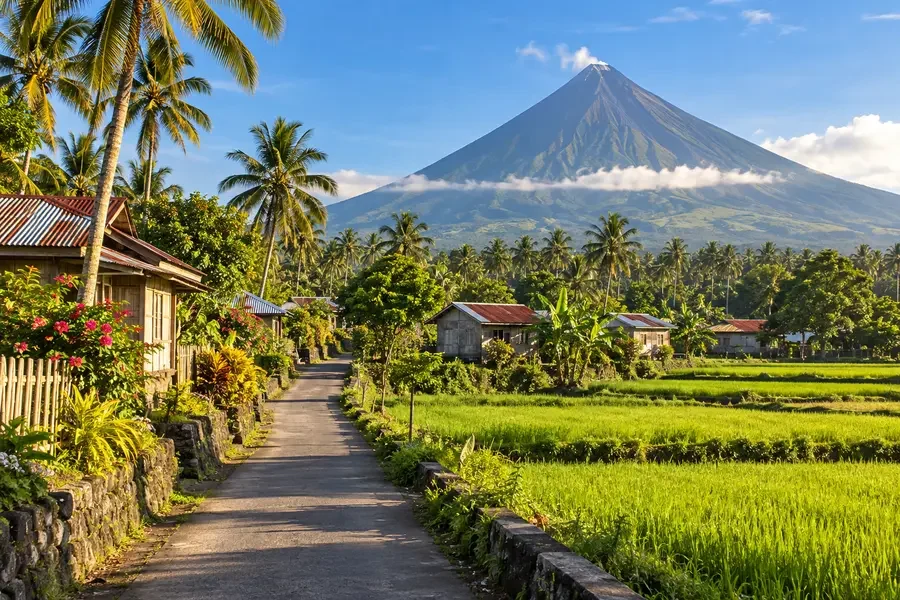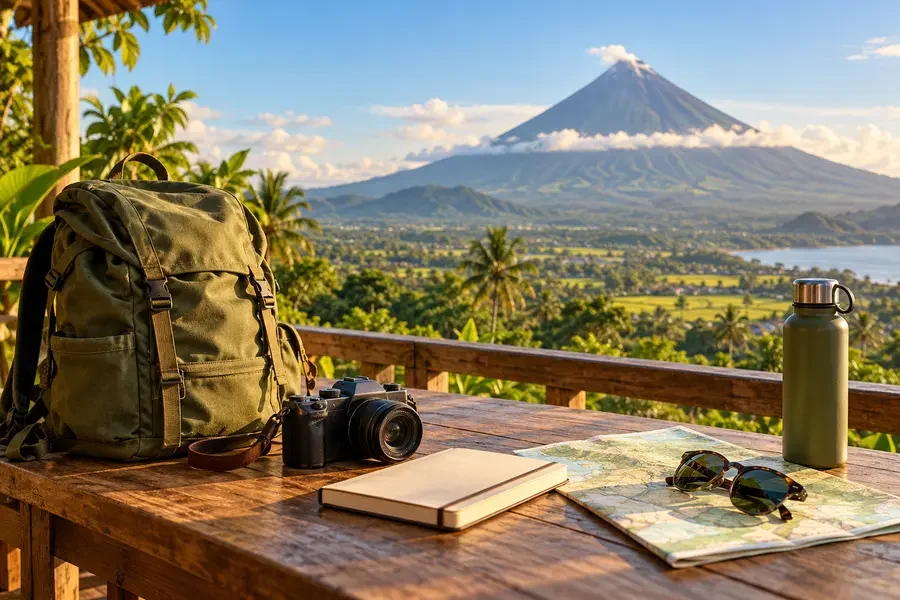
Notice the light
Observe where the light falls and how it changes contrast across the scene. Adjust your position where permitted instead of relying on a fixed composition.
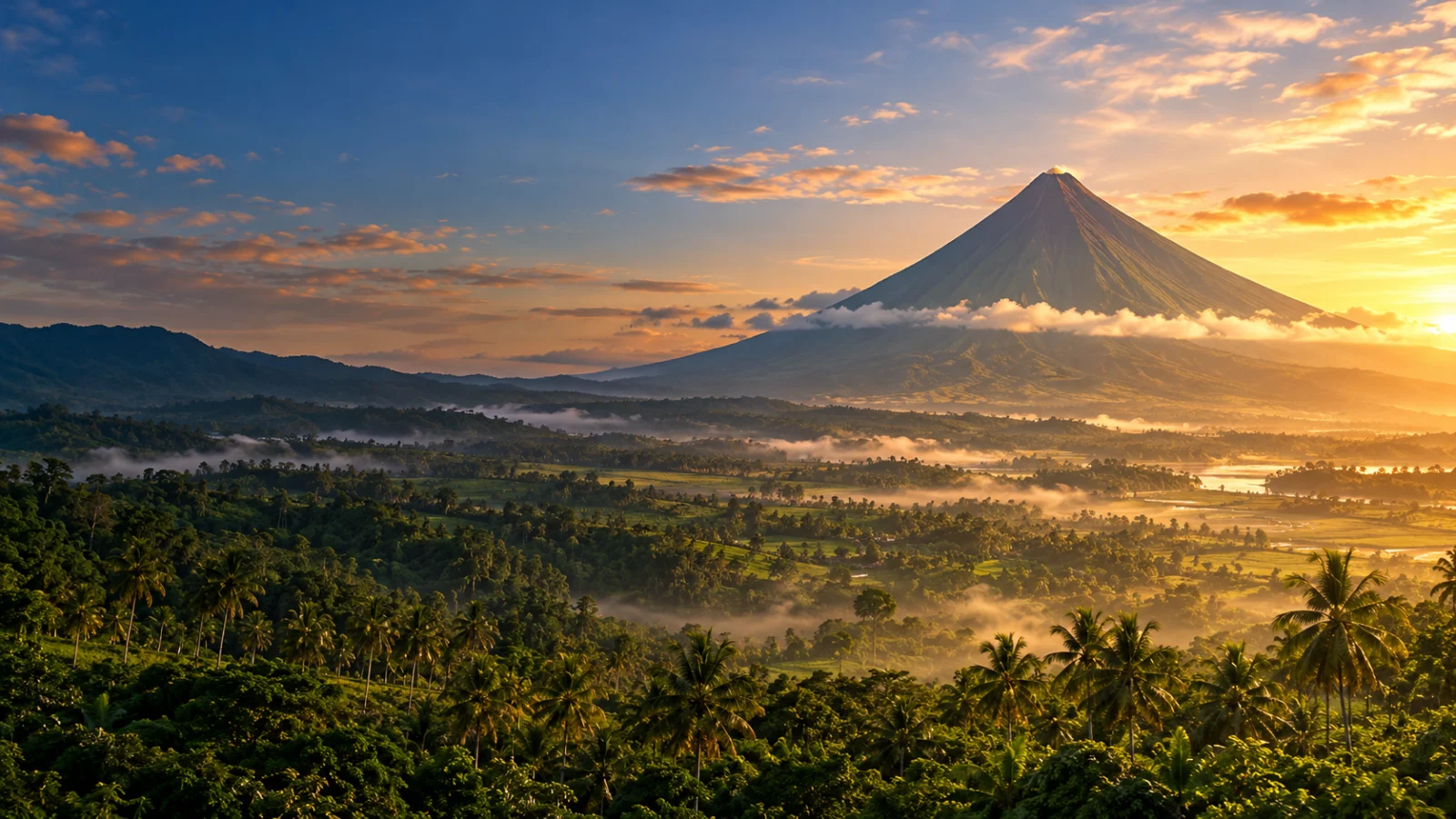
Changing clouds, light and perspective make every view different. Prepare well and leave space for the unexpected.
Photographing Mayon is as much about noticing the surroundings as it is about framing the mountain.
A wider composition can include changing skies, layers of vegetation or details from the place where you are standing. A closer frame can simplify the scene and bring attention to shape and light.
Start by enjoying what is actually in front of you. Visibility may change, and a clear summit should be treated as a possibility rather than a promise.
Get to know Mayon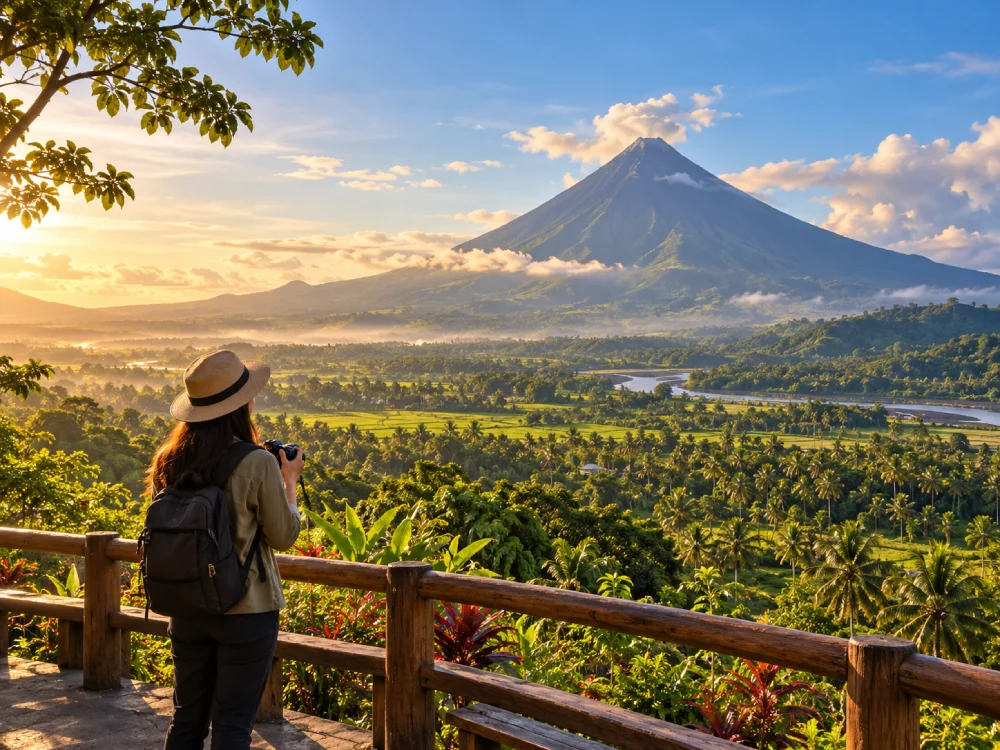
A useful photography plan allows you to respond to conditions without depending on one particular image.
Observe where the light falls and how it changes contrast across the scene. Adjust your position where permitted instead of relying on a fixed composition.
Cloud cover can reveal or conceal different parts of the mountain. No time of day guarantees an unobstructed view, so leave room for other subjects.
Avoid building your whole visit around a single photograph. Decide in advance how long you can comfortably stay and what you will do if conditions change.
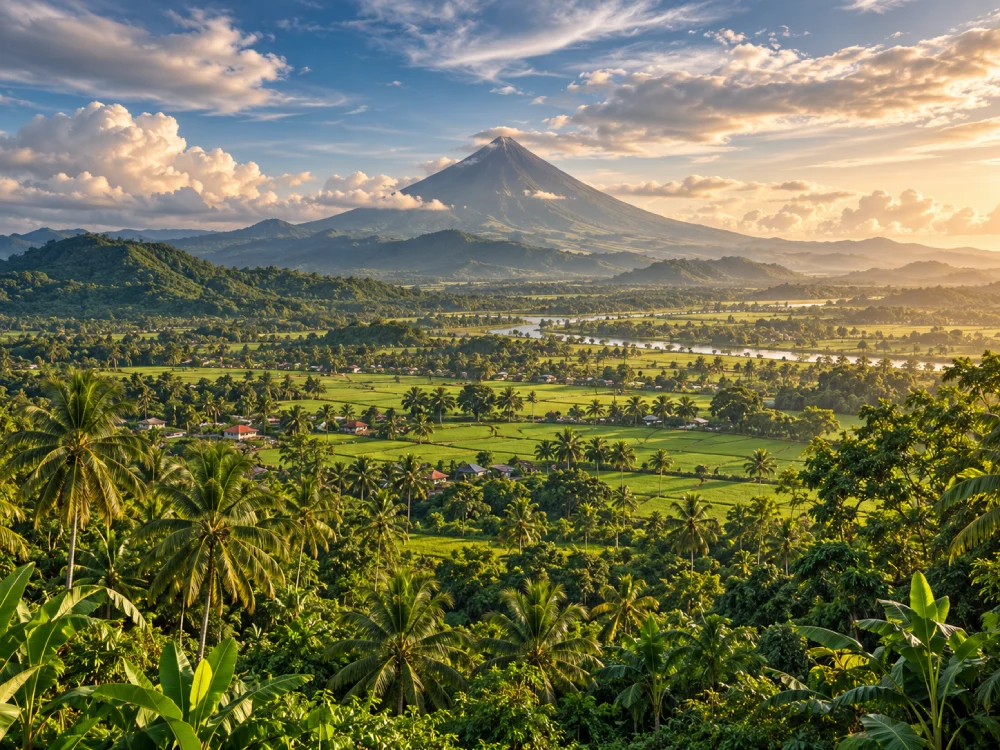
Before taking a picture, look around the edges of the frame. Small changes to your position or camera angle can help remove distracting objects and give the scene more balance.
A simple, carefully observed photograph can communicate more than a crowded frame. Take a moment to decide what you want the viewer to notice.
Bring equipment you can carry and use comfortably. A phone can be enough for a considered record of your journey.
Clean your lens, check battery levels and make sure you have storage space. Learn the controls you expect to use before you arrive.
Bring suitable protection for changing conditions. Follow official instructions if weather or volcanic conditions affect your visit.
Check where you can stand, place a bag or use equipment without obstructing paths, vehicles, entrances or other visitors.
An attractive view does not establish a right to enter the land in front of it. Use permitted access points and ask the responsible person before entering private property.
Ask before making identifiable photographs of people, especially when they are the main subject. Respect a refusal without pressing for an explanation.
Be considerate around homes, market stalls, businesses and places of worship. A public -facing space may still have rules about photography or equipment.
Check venue rules before using a tripod, lighting equipment or an organised shoot. Keep pedestrian routes and access points clear, and move when asked by the responsible staff.
Do not assume a drone flight is permitted because an area appears open. Before bringing or operating a drone, check the current aviation requirements, airspace restrictions, local rules and permissions relevant to the exact location.
A landowner’s permission alone may not resolve all flight requirements. Do not fly when permissions or applicable restrictions are unclear.
Plan a lawful and appropriate place to stop. Do not stand in traffic lanes, obstruct roads or ask a driver to make an unsafe stop for a photograph.
Images shared online may have been taken under different conditions, from a location that is no longer accessible or with permissions that do not apply to your visit.
Check the source and context of an image before using it to plan. Do not interpret a clear view, an old activity photograph or a map marker as permission to enter.
When sharing your own photographs, describe them accurately. Avoid captions that imply present access or conditions when the image was taken at another time.
Read safety & preparation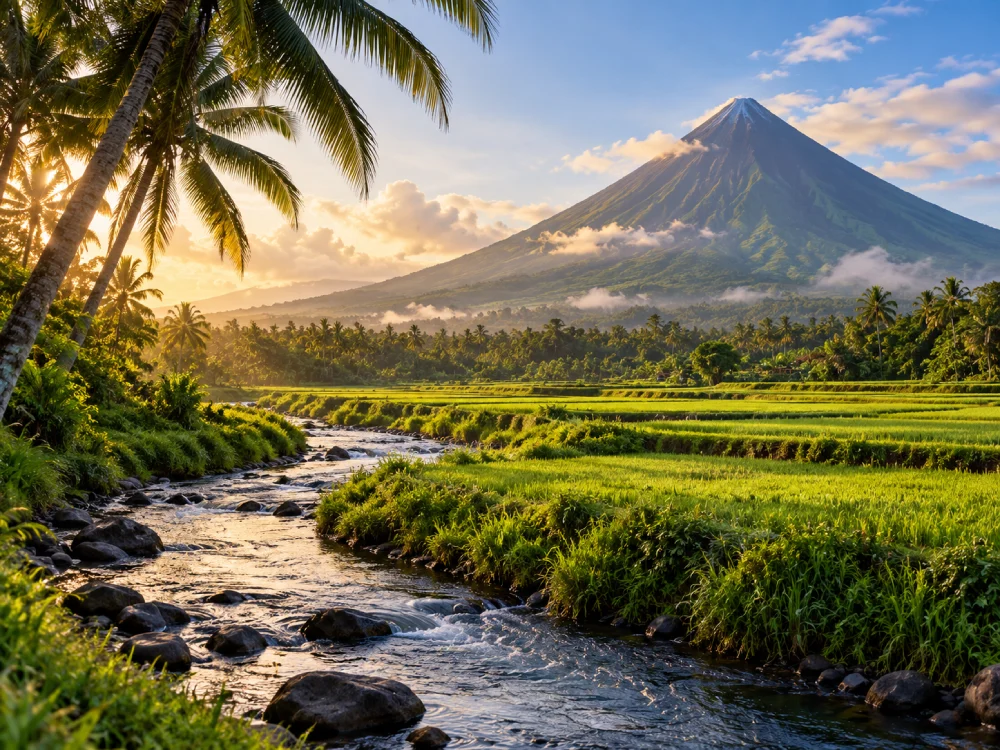
Discover the destination, explore local experiences and prepare a flexible plan for your visit.
Get to know the mountain and the considerations that belong alongside its scenery.
Explore MayonLeave time for everyday surroundings and experiences beyond a scenic stop.
Discover AlbayBuild a journey around your interests and confirm the arrangements that matter.
Open the travel guideFind inspiration for your visit, get to know the destination and leave room for local discoveries.