
Volcano information
Use the Philippine Institute of Volcanology and Seismology, or PHIVOLCS, for official volcano bulletins and advisories.

Use current official information to guide your decisions before travelling and throughout your visit.
Mayon is an active volcano. Current official information belongs at the centre of your travel decisions.
Destination guides can help you understand a place and organise your questions. They cannot determine whether a particular location, route or activity is currently appropriate for your visit.
Check official advisories before making plans, review them again before setting out and follow local instructions throughout your stay.
Find official information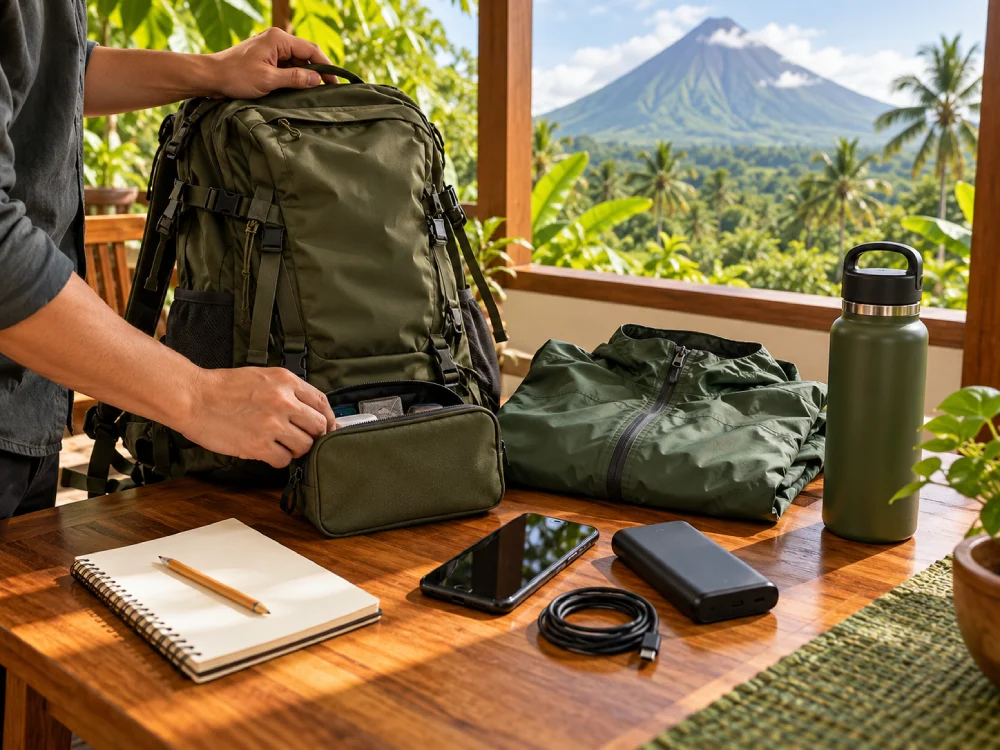
Read the date, time, location and scope of an announcement. Older reports and screenshots may no longer describe the conditions relevant to your visit.
Use the Philippine Institute of Volcanology and Seismology, or PHIVOLCS, for official volcano bulletins and advisories.
Consult PAGASA for official weather information. Review the forecasts and warnings that apply to your destination and travel period.
Follow the responsible local authorities for closures, evacuation instructions and access controls. Ask for clarification if an instruction is unclear.
Do not treat a travel article, photograph, booking listing or social media post as permission to enter a location. Access arrangements can change independently of a provider’s advertised itinerary.
Follow the current restrictions that apply to the exact place you intend to visit. Do not enter closed areas or bypass barriers, signs or checkpoints.
This guide does not publish a standing boundary or distance that visitors can use to decide where to go. Read the latest official instructions and obtain clarification from the responsible authority where necessary.
A clear sky, an unobstructed summit or an apparently quiet scene does not establish that an area is safe. Do not use visual impressions as a substitute for official information.
A general assurance is less useful than clear information about the proposed activity and arrangements.
Ask for the actual location, meeting point and planned route. Confirm how current restrictions affect the proposed itinerary.
Ask about physical demands, equipment, supervision and participant requirements. Explain any needs that could affect your participation.
Confirm cancellation, postponement and refund arrangements before paying. Ask how updates will be communicated.
Save the provider’s contact details and understand the meeting and return arrangements. Ask how participants receive instructions.
Weather, transport and official restrictions can affect more than one part of a day. Avoid arrangements that depend on every connection working without delay.
A deposit, booking or previous visit does not override a current restriction. Do not continue simply because an activity was planned in advance.
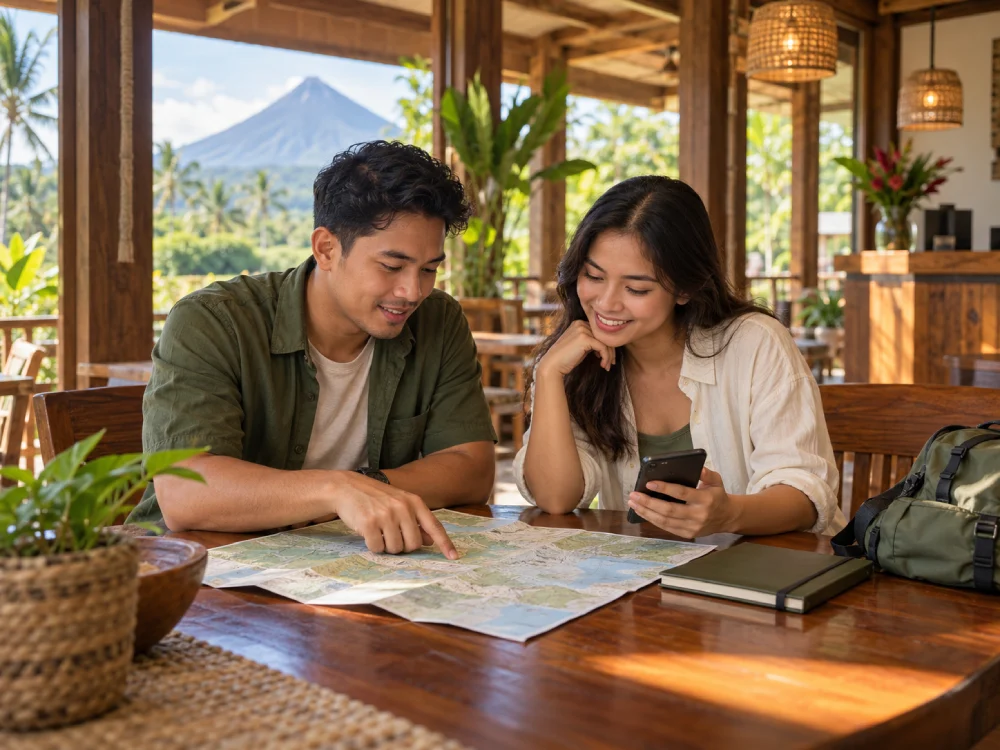
Keep the address of your accommodation and the contact details of your transport provider. Confirm where to meet and how changes will be communicated.
Consider the needs of everyone in your group. Ask about walking distances, surfaces, steps and facilities where these affect your plans.
Use current announcements from the responsible authorities. Check the source before forwarding a message, especially if it is an undated screenshot or an extract without context.
Seek help from the appropriate local emergency service or responsible on-site authority. Follow their instructions and communicate your location clearly.